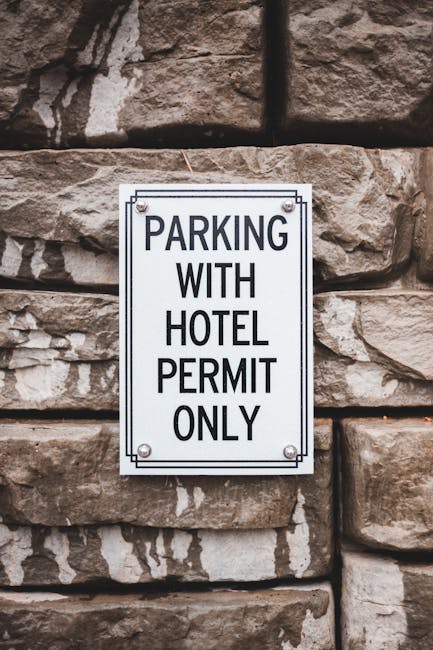
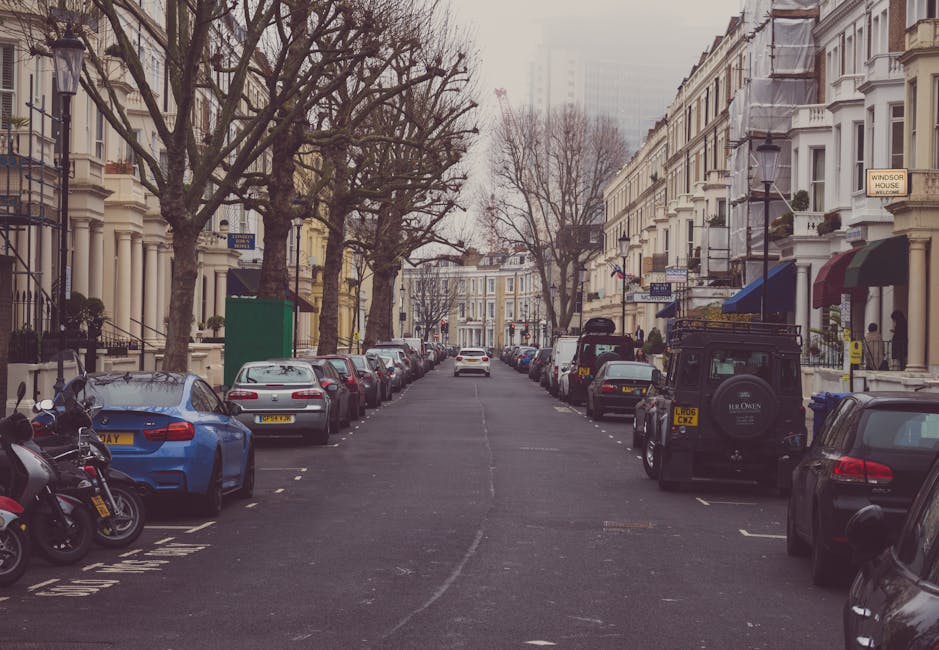
What to know about parking permits for removals Kensington and Chelsea Council
Moving in Kensington and Chelsea can feel deceptively simple on paper, and then the street reality kicks in. Narrow roads, resident bays, controlled parking zones, red routes nearby, basement flats, tight turns, loading restrictions, and the usual London surprise of "there's nowhere to stop." If you're organising a move, what to know about parking permits for removals Kensington and Chelsea Council is not a minor admin detail. It can be the difference between a smooth moving day and a long, expensive delay.
This guide explains how removal parking permissions typically work in the borough, why they matter, and how to plan around them without turning the whole thing into a headache. Whether you're moving a flat in Holland Park, a family home in Chelsea, or arranging a business move with an office removal in Holland Park, getting the parking side right early makes everything easier. Truth be told, it also saves a lot of stress.
Below, you'll find a practical breakdown of the process, common mistakes, sensible timing, and a checklist you can actually use. There's also a real-world example section, because sometimes the best way to understand this stuff is to see how it plays out on an ordinary London street at 8:15 on a damp Tuesday morning.
Table of Contents
- Why parking permits matter for removals in Kensington and Chelsea
- How removal parking permissions usually work
- Key benefits and practical advantages
- Who this is for and when it makes sense
- Step-by-step guidance
- Expert tips for a smoother moving day
- Common mistakes to avoid
- Tools, resources and recommendations
- Law, compliance, standards and best practice
- Options, methods and comparison table
- Case study or real-world example
- Practical checklist
- Conclusion
- Frequently asked questions
Why parking permits matter for removals in Kensington and Chelsea
In a borough like Kensington and Chelsea, parking is rarely "just parking." It affects timing, access, loading, safety, and whether your removals team can keep the job moving efficiently. A van that cannot stop close to the entrance means more carrying, more time, and more risk of damage. On a removal day, those extra metres matter more than people expect.
The local street layout is often the main reason permits or parking permissions matter. Residential streets can be tight. Some roads have bays only, some have short waiting windows, and some are heavily restricted during peak hours. If your van ends up circling the block while the crew waits with a sofa and a fridge by the front door, the whole schedule starts to slip. Not ideal.
For smaller moves, this may mean using a short-stay loading arrangement or coordinating with a man and van service that knows the area well. For larger home moves, the need for proper parking planning becomes even more obvious. If you're arranging a full household relocation, a dedicated house removals service in Holland Park can help you think through access before moving day arrives.
Practical takeaway: if a vehicle cannot load close to the property, the move becomes slower, more tiring, and more vulnerable to delays. Parking planning is not optional in central London-style streets; it is part of the move itself.
There's also a customer-experience angle that people forget. When parking is sorted, the day feels calmer. The team can unload methodically, the neighbours are less likely to complain, and you're not standing on the pavement wondering whether the driver is about to get a ticket. That little bit of certainty helps more than you'd think.
How parking permits for removals in Kensington and Chelsea usually work
In simple terms, a parking permit or temporary parking permission gives a removal vehicle a lawful place to stop for loading and unloading, or to park for the duration of the move if that is allowed. The exact process can vary depending on the street, the vehicle size, the type of restriction, and the time of day. This is why "one rule for every move" is not really a thing.
In many cases, the practical process involves checking whether the road has loading restrictions, resident permit bays, pay-and-display bays, suspended bays, or waiting controls that affect removal vehicles. Sometimes the move can be carried out within a loading bay window. Sometimes a specific dispensation or permission is needed. And sometimes you simply need to plan around the street rules and use the safest available option.
That is why removal planning and parking planning should happen together, not in separate little boxes. If you're booking other moving support, it can be useful to think about how the vehicle size, packing stage, and property access all fit together. For example, if you haven't finished boxing yet, the packing and boxes service can reduce last-minute panic and make loading faster, which in turn reduces the time the vehicle needs to stay outside the property.
For many streets, the process is really about three questions:
- Can the removal vehicle stop legally where the property is located?
- If not, what is the nearest lawful loading option?
- How long will the vehicle need, and does that fit the local restrictions?
That sounds straightforward, but in practice it often takes a bit of local knowledge. A 7.5-tonne lorry, a Luton van, and a small transit van do not all behave the same way on a Kensington street. Nor do they all need the same parking approach. A smaller vehicle may fit into a short loading space, while a larger one may need more careful scheduling and a better fallback plan.
If you are moving a business rather than a home, the stakes can be even higher. Offices usually have more equipment, tighter time windows, and more pressure to avoid disruption. That's where an experienced removals team in Holland Park can be worth its weight in cardboard and tape, because they're used to coordinating the job around local access conditions.
Key benefits and practical advantages
Getting the parking side right gives you more than a legal box tick. It changes the shape of the whole move. Here are the main benefits people tend to notice.
1. Faster loading and unloading
A van parked close to the entrance means fewer carrying trips and less time on the clock. That matters whether you're moving a one-bedroom flat or a full family home. It also helps protect awkward items like mirrors, desks, and white goods, because shorter carrying distances usually mean fewer chances for bumps.
2. Lower risk of fines or complaints
This one is obvious, but worth saying. Unauthorised parking can lead to tickets, and a vehicle that blocks a road, bay, or driveway can draw complaints quickly. In dense neighbourhoods, people notice. Parking correctly reduces that risk and keeps the day cleaner from a compliance point of view.
3. Less stress for everyone involved
Moves are already emotional. Even if you've done this before, there is always that moment where you're hunting for keys, checking a hallway corner, or realising the kettle is still packed. If parking is sorted, one major variable disappears. That alone is a relief.
4. Better coordination with neighbours and building staff
Where buildings have concierges, caretakers, or shared entrances, good parking planning makes it easier to coordinate lifts, access, and timing. It shows consideration too, which can be surprisingly important in apartment blocks and mansion-style conversions.
5. Easier planning for storage or split moves
Not every move is a straight one-day unload. Some people move only part of their belongings, or put items into storage while waiting for completion. If that sounds familiar, it can help to look at storage options in Holland Park so parking, vehicle timing, and storage drop-off are all aligned rather than treated as separate jobs.
| What good parking planning improves | What often happens without it |
|---|---|
| Access close to the property | Longer carrying distances and slower loading |
| Smoother schedule | Delays while the vehicle searches for a legal stop |
| Lower risk of penalties | Potential tickets or enforcement issues |
| Better protection for furniture | More handling, more strain, more chances of damage |
Who this is for and when it makes sense
Parking permits or temporary parking arrangements are relevant to almost anyone moving in Kensington and Chelsea, but some situations make them particularly important.
- Flat moves in controlled streets: if your property is on a busy residential road, parking is likely to be limited.
- House moves with larger furniture: the more bulky items you have, the more valuable close access becomes.
- Office relocations: moving desks, IT equipment, and files often requires tighter control over arrival and unloading.
- Moves involving storage: if you are doing a staged move, you may need the vehicle to stop more than once.
- Moves with time-sensitive handovers: completion day, tenancy changeovers, or building access windows can be unforgiving.
It also makes sense if you simply do not know the local restrictions well. That's not a weakness. London parking rules are the kind of thing that can surprise even long-time residents. One street over can mean a completely different loading arrangement. Very annoying, honestly.
If you are still in the planning stage and want to understand how the broader move fits together, browsing a local Holland Park living guide or a guide to real estate in Holland Park can be useful background, especially if you're timing a move around a purchase, sale, or rental change.
Step-by-step guidance
Here is a practical way to handle parking planning without overcomplicating it.
- Check the street outside the property. Look at signs, bay markings, loading notes, and any timed restrictions. Do this early, not the night before.
- Confirm the move window. Decide the date, estimated arrival time, and how long the crew may need. Be realistic. Moving day optimism is a lovely thing, but it can betray you.
- Match the vehicle to the access. A smaller van may be easier on narrow streets. A larger vehicle may be more efficient for the load, but only if it can stop safely and legally.
- Ask whether a permit, dispensation, or loading arrangement is needed. If the road has restrictions, don't assume the removal team can just "sort it on the day."
- Book the removals service with access in mind. Tell the team about stairs, lifts, basements, distance from the road, and any awkward entry points.
- Prepare the property for fast loading. Box early, label clearly, and keep pathways open. For packing-heavy jobs, the man with a van option can work well for smaller or simpler moves, while bigger jobs may suit a fuller removals arrangement.
- Have a fallback plan. If the main stop point is unavailable, identify the nearest alternative that still works safely and legally.
One small but important point: keep your contact phone charged and on you. If the driver arrives and needs a quick decision about the best stopping point, being unreachable can waste time very quickly. It sounds obvious. It happens all the time.
A simple planning checklist for the week before
- Check whether your street has resident bays, loading limits, or timed restrictions
- Confirm the removal vehicle size with the provider
- Ask how close the vehicle should be able to park to the entrance
- Warn the building manager or neighbours if needed
- Clear a route from the door to the vehicle
- Set aside essentials so the crew is not unpacking random cupboards looking for a kettle lead
Expert tips for better results
After enough moves, a few patterns become obvious.
Think about access before you think about price
Cheap can become expensive if the van cannot park well. Time lost on the street is still time. A short quote is not much comfort if the crew spends twenty minutes shuttling items from the corner.
Choose the right vehicle for the street, not just the volume
Sometimes a slightly smaller vehicle is the smarter choice because it can stop closer to the entrance. This is especially true in streets with tight corners, limited bay lengths, or awkward turns near the property.
Use clear labelling
Boxes marked by room and priority help unloading go much faster. That matters for parking because the quicker the job, the less exposure you have to time limits and restrictions. Simple, but effective.
Build in a cushion for the unexpected
Rain, traffic, a lift that is temporarily out of service, a neighbour's delivery van blocking the bay - these things happen. A moving schedule with a little breathing room tends to survive the day better than a too-perfect plan.
Keep bulky items ready first
Fridges, sofas, wardrobes, and bed frames should be staged ahead of time. If the crew has to wait while you dismantle a bed in the hallway, the parking plan may still be legal, but the day will feel messier than it needs to be.
And yes, you do not have to perfect every tiny detail. Just get the major ones right. That's usually enough.
Common mistakes to avoid
These are the issues that cause the most friction on removal days in central London-style locations.
- Leaving parking planning too late. Waiting until the day before is risky. You may find the nearest legal stop is not where you expected.
- Assuming a removal vehicle can park anywhere. It cannot. Vans and lorries are still bound by local restrictions and enforcement rules.
- Not checking street signs properly. One loading rule on one side of the road can be different from the other side. Easy to miss. Painful when it happens.
- Underestimating how long loading takes. That is one of the most common mistakes, especially with flats and upper-floor moves.
- Forgetting about building access. A legal parking space is useless if the front door, lift, or entry code is not ready.
- Choosing the wrong service for the job. A small local move may suit a removal van service, while a more complex relocation might need a broader removals package or a team with more hands.
There's also a classic one: people forget the actual loading point and only think about the postcode. The postcode is not the whole story. The corner, the bay, the driveway, the tree, the low wall, the school drop-off traffic at 3:15 pm - that's the real story.
Tools, resources and recommendations
You do not need a box of fancy equipment to handle removal parking well. But a few practical tools and habits help a lot.
- Printed or saved street notes: keep a copy of the restrictions and your agreed move time.
- Phone photos of signs: helpful if you need to double-check wording later.
- Room-by-room labels: these reduce loading time and make delivery smoother.
- Basic access notes: note entrance codes, lift limitations, basement stairs, and any concierge rules.
- Reliable packing supplies: strong boxes, tape, and protective wrap help keep the move moving.
If you need help with preparation, the packing and boxes support can be a sensible way to reduce the chaos, especially for families or office teams under time pressure. For larger or more complicated loads, a proper removal van can be a better fit than a smaller vehicle that has to make too many trips.
Sometimes the best resource is a company that knows the local area well. A mover familiar with Holland Park, Chelsea, and neighbouring streets will usually anticipate access issues before they become problems. That kind of knowledge is quiet, but it saves real time.
Law, compliance, standards and best practice
Without turning this into a legal lecture, it is worth saying that parking during removals sits inside normal road traffic and local parking enforcement rules. In plain English: you should not assume that a removal vehicle gets special treatment unless a proper arrangement is in place. Where temporary permission or a dispensation is needed, it should be handled in advance and according to the relevant local process.
Best practice is simple:
- Check the restrictions before the moving day
- Make sure the vehicle stops only where it is allowed to
- Keep the loading period as short and efficient as possible
- Do not block access routes, dropped kerbs, or emergency paths
- Coordinate with the removals team so no one is guessing on the day
If you live in a managed building, there may also be separate access requirements from the leaseholder, concierge, or managing agent. These are not the same as council parking rules, and people sometimes mix them up. One controls the street; the other controls the building. Different beasts entirely.
For commercial moves, internal building procedures can matter as much as road rules. Booking lift protection, specifying arrival windows, and making sure loading areas are reserved where possible are all part of sensible operational practice. It sounds a bit formal, but it's really just about avoiding chaos in a building lobby at the wrong time.
Options, methods and comparison table
Different moves need different parking approaches. Here is a simple comparison to help you choose the right one.
| Option | Best for | Pros | Watch-outs |
|---|---|---|---|
| Standard loading arrangement | Short, simple moves with flexible timing | Quick to organise, often suitable for smaller jobs | May not work in highly restricted streets |
| Temporary parking permission or dispensation | Moves needing more certainty and longer access | Clearer planning, better for structured removal days | Usually needs more advance coordination |
| Smaller van with local access planning | Flat moves, limited loading space, tight roads | Easier to position, often more flexible | May require more trips for larger loads |
| Full removals setup with staged loading | House moves, offices, or multi-room properties | More efficient for larger loads and complex access | Needs more detailed timing and street planning |
There is no single best option for every job. A one-bedroom move from a ground-floor flat might be perfectly handled by a smaller vehicle. A family move from a terraced property with narrow access may need a more structured removals plan. The right answer depends on the property, not the postcode alone.
Case study or real-world example
Imagine a move from a first-floor flat in a quiet but tightly parked street near Holland Park. The client has a sofa, a bed, a dining table, several boxes of books, and a few fragile lamps. The road outside has limited stopping space, and there is a school nearby, which means the morning window is busy.
If nobody checks the parking setup properly, the van may end up several doors away. That sounds manageable until the crew starts carrying a sofa around parked cars, a recycling collection, and a patch of uneven pavement. The unloading time stretches. The client gets nervous. The building neighbour gets irritated because the hallway keeps filling with boxes. It's not disastrous, but it is untidy.
Now compare that with a better plan. The street restrictions are checked in advance. The removals team arrives in the agreed window. The van can stop as close as possible to the entrance. Boxes are labelled. The larger items are loaded first. The whole move is still work, of course, but it feels controlled rather than improvised.
That's the real value of parking planning. Not glamour. Not magic. Just fewer moving parts colliding at once.
For readers who are settling into the area or researching a move, related local reading like a look at Holland Park's hidden corners or an overview of real estate transactions in Holland Park can be useful context around the wider move journey.
Practical checklist
Use this before moving day. It's simple, but it covers the bits that matter.
- Confirm the move date and arrival window
- Check all parking signs outside the property
- Identify the nearest lawful loading or stopping option
- Confirm vehicle size and access needs with the removals team
- Make sure building access, lifts, and entry codes are ready
- Label boxes by room and priority
- Prepare bulky items in advance
- Tell neighbours or building staff if the move may affect access
- Keep your phone charged and handy
- Have a fallback plan if the preferred stop point is unavailable
Expert summary: the best removal parking plan is the one that reduces uncertainty. That usually means checking restrictions early, matching the vehicle to the street, and preparing the load so the team can work fast once they arrive.
Conclusion
What to know about parking permits for removals Kensington and Chelsea Council comes down to one practical idea: access matters as much as transport. If your vehicle can stop in the right place, for the right amount of time, your move is more likely to stay on schedule and avoid avoidable friction. If it cannot, everything else gets harder.
The good news is that this is manageable with a little planning. Check the street. Match the vehicle to the property. Make sure the removal team knows the access details. And do not leave parking until the last minute, because London streets have a way of punishing that optimism. They really do.
If you are moving soon, taking a few minutes now to sort the parking question could save you hours later. That is the kind of trade-off worth making.
Get a free quote today and see how much you can save.
Frequently Asked Questions
Do I always need a parking permit for removals in Kensington and Chelsea?
Not always. It depends on the street restrictions, the length of time needed, and whether the vehicle can legally load or stop without a specific permit or dispensation. The safest approach is to check the exact location rather than assume.
How far in advance should I sort parking for my move?
As early as possible. A few days might be enough for a simple move in an easier street, but more complex locations should be planned well ahead. Leaving it to the last minute is where problems usually start.
Can a removal van use resident parking bays?
Sometimes, but not automatically. Resident bays often have their own rules, and moving vehicles may need a separate allowance or may only be allowed for loading within a specific window. Always check the sign and the local arrangement.
What happens if the van cannot park near my property?
The crew may need to park further away and carry items longer distances, which can slow the move and increase physical handling. In some cases, the plan may need to change on the spot. That is why fallback options are useful.
Is a smaller van better for central London removals?
Often, yes, if the street is tight or parking is limited. A smaller vehicle can be easier to position close to the property. But if the move is large, the team may need to balance vehicle size against the number of trips required.
Do office removals need the same parking planning as home moves?
They often need even more. Offices can have more equipment, more people affected by the move, and stricter timing windows. A well-planned parking setup helps the team work quickly and reduces disruption.
What should I tell my removals company about parking?
Tell them the street layout, any restrictions, whether there are loading bays, how far the vehicle may need to walk from the entrance, and whether the building has any separate access rules. The more specific you are, the better.
Can parking issues delay my entire move?
Yes. Even a short delay can affect the rest of the schedule, especially if there are lift bookings, handover deadlines, or traffic-sensitive timings. Parking problems are one of those small things that can snowball fast.
Should I arrange parking before I finish packing?
Yes, ideally. Parking and packing are linked. If the loading area is sorted but the boxes are not ready, you still lose time. And if the boxes are ready but the van has nowhere to stop, you lose time another way.
What is the best way to make unloading quicker?
Clear the route, label boxes well, stage furniture in advance, and make sure the vehicle can stop as close as safely and legally possible. Those simple steps usually make the biggest difference.
Is storage useful if parking is limited?
Yes, especially for staged moves or when completion and occupancy dates do not line up neatly. A short-term storage plan can take pressure off the moving day and help you split the job into easier parts.
Where can I get help with a move in Holland Park and nearby?
If you need support with removals, vehicle choice, packing, or storage, it helps to work with a local team that understands the streets and the constraints. That local awareness can make the whole process feel much more manageable.