Recycling and Sustainability for Removals Holland Park
 At Removals Holland Park, recycling and sustainability are built into the way we plan, collect, and process every move. Holland Park is part of a wider West London environment where careful sorting, reuse, and responsible disposal matter, especially in boroughs that encourage residents to separate dry mixed recycling, food waste, garden waste, and residual rubbish. Our approach to Holland Park removals recycling is designed to reduce landfill, keep reusable items in circulation for longer, and make sure that moving day supports a cleaner local area rather than adding to waste pressure. We aim for a recycling percentage target of 90% across suitable removals loads, with any non-recyclable materials routed through approved facilities. This includes furniture breakdown, paper and card recovery, metals sorting, and careful handling of appliances and household items that can be diverted into recycling or reuse streams.
As part of our removals Holland Park sustainability plan, we work with local transfer stations and licensed waste-handling facilities that are able to separate materials efficiently. In West London, transfer stations are important because they help sort timber, metal, textiles, plastics, and rubble before the waste enters the next stage of recovery. This is especially relevant in an area like Holland Park, where flats, terraces, and mansion blocks often generate mixed loads containing packaging, old furniture, and dismantled household items. By using the right route for each material, Holland Park moving and recycling services can lower contamination and improve the chances that items are recovered correctly. We also pay attention to borough expectations around separation, so where local collections distinguish between household recycling, bulky waste, and general rubbish, our own sorting process mirrors that structure as closely as possible.
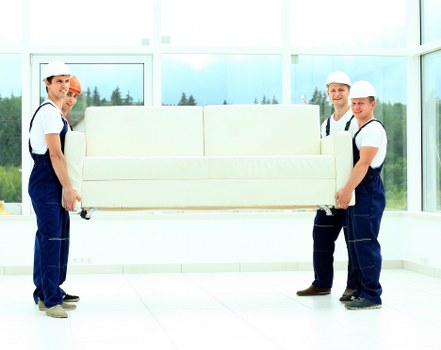 Our teams also support partnerships with charities to extend the life of usable items before they ever become waste. Good-quality sofas, tables, bookshelves, homeware, and office pieces can often be passed on for reuse if they meet safety and condition standards. Through charity partnerships, Removals Holland Park helps divert items toward community benefit, reducing the amount sent to transfer stations and supporting local reuse networks. This matters in a neighbourhood where many moves involve high-quality furnishings, period pieces, and household goods that still have value. Rather than disposing of everything at once, we assess items for reuse first, then recycling, and only then disposal. That hierarchy supports a more circular model and reflects the wider sustainability expectations in West London. It also allows us to handle Holland Park recycling removals in a way that is both practical and environmentally responsible.
How Our Green Moving Process Works
Every move is planned to reduce unnecessary mileage, avoid wasted journeys, and keep fuel use as low as possible. Our fleet includes low-carbon vans that are chosen for efficient performance, lower emissions, and urban suitability. These vehicles are especially useful in Holland Park, where access can be tight, parking can be limited, and multiple short trips are sometimes needed during a removal. By using efficient vans and route planning, we reduce the carbon footprint associated with each job. We also encourage full-load scheduling where possible, so that collections for recycling, reuse, and removals are coordinated in a single trip. This is particularly helpful for eco-friendly removals in Holland Park, where sustainability is not only about what happens to the waste, but also about how the entire move is carried out.
Inside the property, our crew separates items into categories to make the process simpler at the next stage. Cardboard, bubble wrap, protective paper, and soft packaging are kept apart from furniture, electricals, and mixed waste. In boroughs with strict waste-separation routines, this matters because contamination can prevent otherwise recyclable materials from being processed. For example, clean cardboard and paper can often be recovered easily, while food residue or mixed materials may reduce their value. Similarly, metals from bed frames, shelving, and dismantled fittings are kept separate where possible, while reusable textiles and household items are identified early. This careful sorting supports Removals Holland Park recycling by improving material quality and making the recovery process more effective.
 We also handle specialist items with the same sustainability focus. Small electrical items, lamps, cables, and selected appliances are assessed for appropriate recycling channels, while paint tins, garden products, and other household materials are routed according to local rules. Although not every move includes these items, many London removals do, and Holland Park is no exception. By using approved transfer stations and licensed partners, we keep hazardous or awkward waste out of standard recycling streams and ensure that recoverable components are treated properly. Our focus on recycling removals in Holland Park means that each category is considered on its own merits, rather than being bundled into a single disposal route.
Local Responsibility, Reuse, and Lower Emissions
The borough approach to waste separation in West London helps shape best practice across our operations. Residents are often encouraged to sort recycling carefully, and that local culture of separation carries through to our removal work. We reflect that by keeping recyclable materials clean, dry, and separated wherever practical, which supports higher recovery rates at transfer stations. It also helps us contribute to the wider sustainability goals associated with the area, including reduced landfill dependency and improved resource efficiency. For customers looking for Holland Park eco removals, this means the service is not just about transport; it is about responsible movement of materials through the right channels.
Charitable reuse remains one of the most effective ways to minimise waste in a premium residential area. When wardrobes, desks, chairs, kitchenware, and decorative pieces are still in usable condition, passing them on can have a meaningful environmental impact. It reduces demand for new production, avoids disposal emissions, and gives items a second life. We coordinate this process carefully so that reuse is prioritised before recycling, and recycling before disposal. This approach reflects a practical understanding of Removals Holland Park sustainability and supports community organisations that benefit from well-maintained goods. Even where items are not suitable for charity, they may still be valuable as raw materials, especially if broken down into wood, metal, or plastic recovery streams.
 The final stage of our sustainability effort is making sure the overall operation stays efficient from start to finish. That includes loading vans efficiently, using protective materials responsibly, and choosing routes that avoid unnecessary congestion and idling. By combining low-carbon vans with local facility use, charity partnerships, and a strong recycling target, Removals Holland Park delivers a greener moving service that suits the character of the area. Our methods are designed for real urban conditions, from apartment moves and basement clearances to office relocations and household transitions. This practical, environmentally aware system helps keep materials in circulation and supports a cleaner local environment.
 In a neighbourhood where quality, care, and discretion matter, sustainability should be just as important as speed and efficiency. That is why Holland Park removals recycling is approached as a full-cycle responsibility: identify what can be reused, separate what can be recycled, route materials through local transfer stations, and reduce transport emissions wherever possible. With a 90% recycling target, active charity partnerships, and lower-emission vehicles, we aim to make every move a step toward better resource use. For homeowners, tenants, landlords, and businesses alike, this offers a cleaner, more thoughtful way to move in Holland Park while supporting the broader environmental values of West London.